


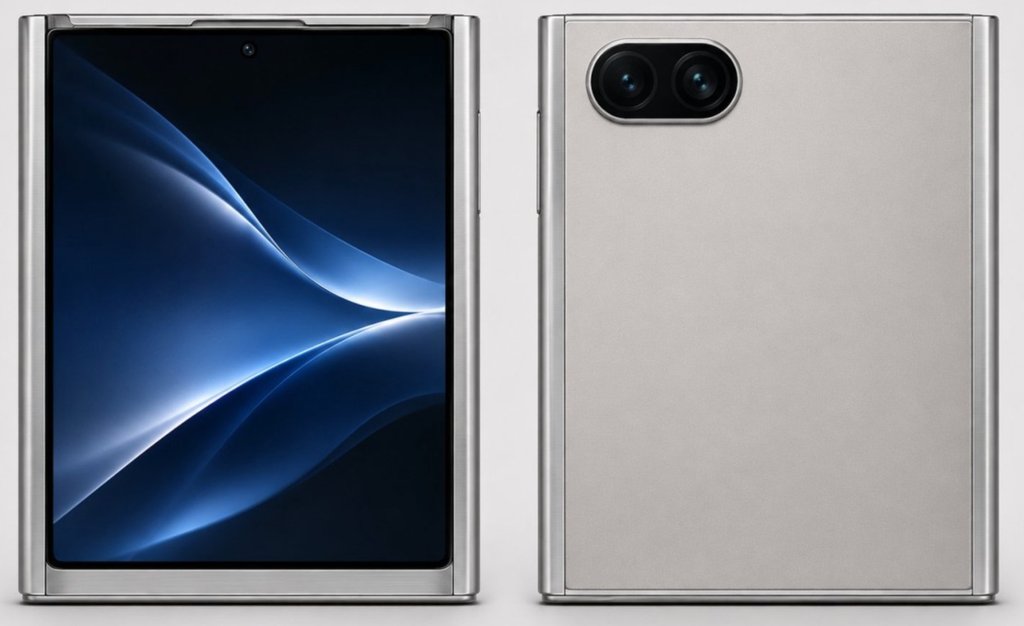
Samsung’s next unusual smartphone might not fold like a wallet. It could stretch upward like a scroll instead.
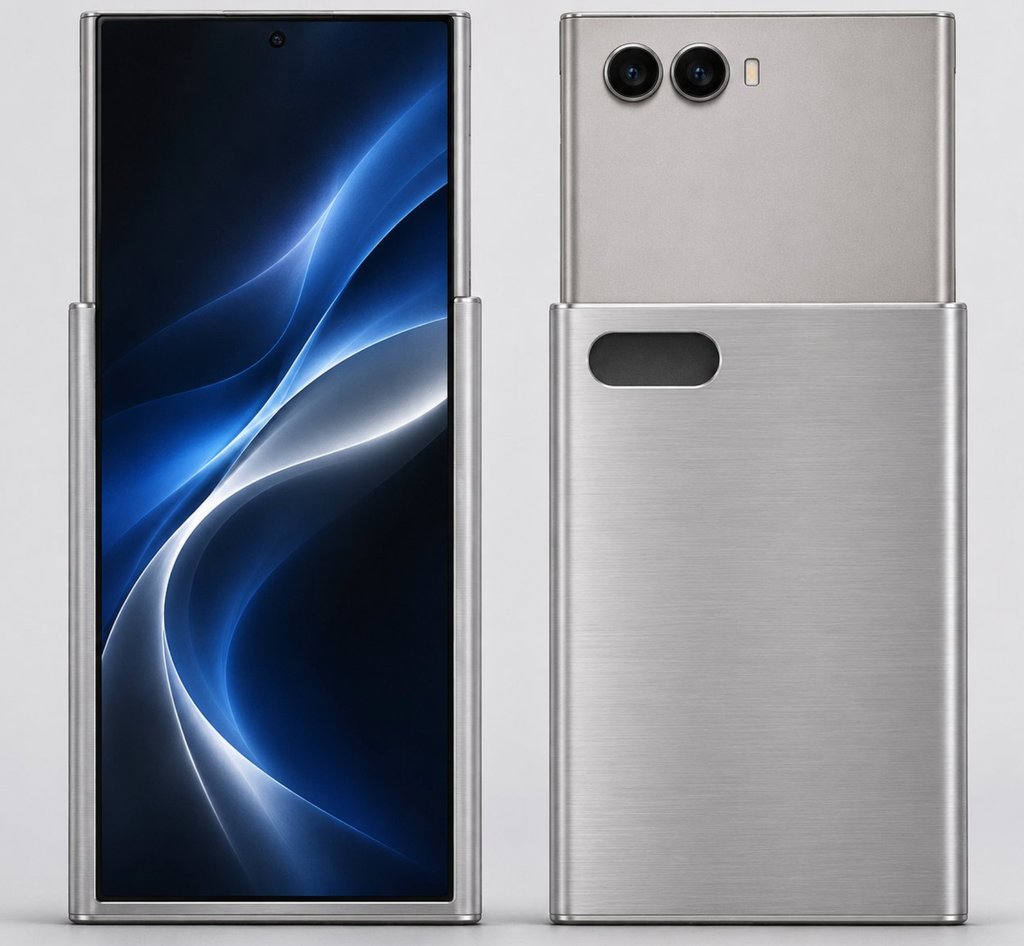
According to a leak from tipster Ice Universe on X, Samsung is exploring a phone with a vertically expanding display that could shift from a wider 16:9 aspect ratio to a taller 21:9 format. Unlike earlier rollable concepts that expanded sideways, the rumored design would give users more screen space by extending upward.
It’s an intriguing alternative to traditional foldables, but don’t start clearing space in your pocket just yet. Samsung hasn’t confirmed the device, and questions remain about its design, battery life, and whether it will ever reach store shelves.
Breaking down the rumored design
Based on reports, the leaked specifications suggest a radically adaptable form factor:
| Feature | Rolled-up state | Fully extended state |
|---|---|---|
| Aspect ratio | 16:9 (Compact/Wide) | 21:9 (Tall slab) |
| Direction | N/A | Vertical (Upwards) |
| Partial extension | Supported (Stop at intermediate sizes) | Supported |
| Display panel | Flexible OLED | Flexible OLED |
The hardware concept tracks closely with US patent application 2026/0333595 A1, approved in October, which details two housings that shift between “a retracted position and an extended position relative to the first housing portion,” per Android Authority.
Samsung Display also teased a non-motorized “Mobile Slidable” prototype at MWC 2026, while separate June reports point toward a potential commercial launch in the first half of 2028 under the Galaxy Z Slide or Galaxy Z Roll moniker.
A bigger screen, but where does the battery go?
A phone that stretches upward sounds convenient, but making the display move could create some difficult engineering trade-offs.
Unlike a conventional smartphone, a sliding design needs space for the flexible screen and the components that guide its movement. That could leave less room for the battery and other internal hardware.
The challenges include:
- Limited internal space: Sliding rails, display supports, and other moving components could compete with the battery for room inside the chassis.
- Power draw: Extending the OLED panel increases screen surface area, and power consumption, precisely when battery capacity is tightest.
- Durability: Moving parts and flexible slats must survive thousands of daily extensions without creasing or mechanical failure.
As Ice Universe noted on X, “Battery capacity is the big challenge, though. The sliding mechanism would take up a considerable amount of internal space, leaving less room for the battery.”
Beyond the hinge: Rethinking mobile real estate
Samsung’s potential pivot toward vertical expansion signals an unspoken admission: book-style foldables remain too wide and heavy for many everyday buyers, while clamshells force users into an all-or-nothing open-and-shut routine.
A vertically sliding screen offers a third path, continuous, single-handed adaptability without an external cover screen adding thickness and cost.
A taller 21:9 display would not automatically make spreadsheets or split-screen multitasking easier. That would depend on how Samsung adapts its interface and applications to the changing screen dimensions.
What this means for smartphone buyers
If you are shopping for a flagship phone today, do not hold your breath. Samsung has not confirmed the device, and a 2028 release window puts this technology roughly two years away from store shelves.
- Current buyers: Stick with proven hardware like the Galaxy Z Fold 8 or traditional slab flagships, which offer mature battery life and established durability.
- Future upgraders: Expect first-generation rollables to carry steep early-adopter pricing and potential battery compromises. Until Samsung proves it can pack all-day endurance alongside a motorized chassis, vertical sliders remain an exciting glimpse at the future rather than a practical purchase.
Another consideration is how well Android apps would adapt to a screen that changes shape. A taller display could make scrolling through documents, reading articles, and viewing longer conversations more comfortable, but not every app is designed to take advantage of unusual aspect ratios.
Samsung would need to ensure that applications resize smoothly as the screen extends, without awkward formatting or wasted space.
Repair costs could also become an important factor. Today’s foldable phones already require specialized display components, and a sliding mechanism could introduce additional complexity.
Buyers would want to know how Samsung plans to handle screen replacements, warranty coverage, and long-term software support before committing to an entirely new form factor.
If the company eventually brings the design to market, buyers will need to weigh the convenience of an expanding display against its potential trade-offs, including weight, repairability, and battery endurance. Whether a phone that stretches upward offers a meaningful advantage over one that folds remains to be seen.
Other news: Smartphone cameras could soon get a major low-light upgrade. Metalenz has acquired PxE Holographic Imaging, whose HoloCoder technology could allow camera sensors to capture up to 2.5 times more light while collecting 3D depth information.