


Compare the best business credit cards by rewards, perks, fees, and features. Find the right card for your business today.
Business credit cards are more than payment tools. The best ones fit how you run your business, with rewards that match your spending, controls that help manage budgets, and expense tracking that saves time. Whether you are solo, scaling a startup, or managing a larger team, the right card can make a real difference. In this guide, I break down top options by business need, focusing on overall value, low fees, strong rewards, and practical features like cash back, industry-specific perks, and automations that reduce busywork.
Here are my top picks for the best credit cards for business in 2026:
- Best overall for all-around value and startup flexibility: Chase Ink Business Unlimited® Credit Card
- Best for growing businesses needing flat-rate cash back: Capital One Spark Cash Select
- Best for freelancers seeking simple, fee-free rewards: American Express Blue Business® Cash™ Card
- Best for flexible spending and reward categories: Bank of America Business Advantage Customized Cash
- Best for service-based businesses with high utility expenses: U.S. Bank Triple Cash Rewards Visa® Business Card
- Best for established companies needing advanced spend control and insights: Ramp Card
- Best for fleet management and fuel expense tracking: Coast Fuel Card
- Quick comparison of the best business credit cards
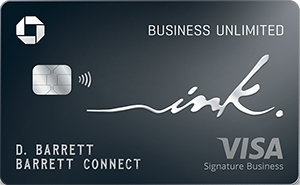
- Chase Ink Business Unlimited® Credit Card: Best overall for all-around value and startup flexibility
- Capital One Spark Cash Select: Best for growing businesses needing flat-rate cash back
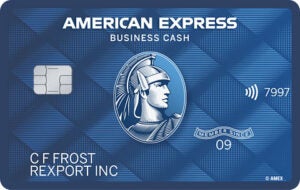
- American Express Blue Business® CashTM Card: Best for freelancers seeking simple, fee-free rewards
- Bank of America Business Advantage Customized Cash: Best for flexible spending and reward categories
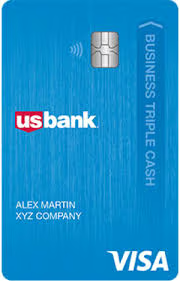
- U.S. Bank Triple Cash Rewards Visa® Business Card: Best for service-based businesses with high utility expenses
- Ramp Card: Best for established companies needing advanced spend control and insights
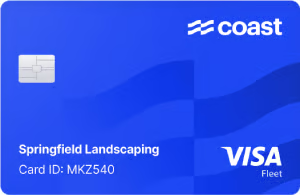
- Coast Fuel Card: Best for fleet management and fuel expense tracking
- My methodology
- How to choose the right business credit card
- What you need to get a business credit card
- Frequently asked questions (FAQs)
Quick comparison of the best business credit cards
 Chase Ink Business Unlimited® Credit Card Chase Ink Business Unlimited® Credit Card | |||||
 Capital One Spark Cash Select Capital One Spark Cash Select | |||||
 American Express Blue Business® Cash™ Card American Express Blue Business® Cash™ Card | |||||
 Bank of America Business Advantage Customized Cash Bank of America Business Advantage Customized Cash | |||||
 U.S. Bank Triple Cash Rewards Visa® Business Card U.S. Bank Triple Cash Rewards Visa® Business Card |
| ||||
 Ramp Card Ramp Card | |||||
 Coast Fuel Card Coast Fuel Card |
|
Chase Ink Business Unlimited® Credit Card: Best overall for all-around value and startup flexibility
| Image: Chase Ink Business Unlimited® Credit Card |
|
|---|---|
Pros
| Cons
|
Card details
Welcome offer
Rewards
Features
|
|
Why I chose it
For my best overall business credit card recommendation, I picked the Chase Ink Business Unlimited® Credit Card because it combines simplicity with value, offering unlimited 1.5% cash back on every purchase without the hassle of tracking categories. This makes it a strong option if you want consistent rewards without worrying about spending limits.
The 0% intro APR for 12 months on purchases also provides financial flexibility, which can be especially helpful for managing startup costs or making larger investments in the early stages of growth. I also appreciate the card’s $0 annual fee structure, which makes it accessible for businesses of all sizes. Plus, the easy access to Chase Ultimate Rewards® for travel and other redemptions adds to its overall value.
Capital One Spark Cash Select: Best for growing businesses needing flat-rate cash back
|
|
|---|---|
Pros
| Cons
|
Card details
Welcome offer
Rewards
Features
|
|
Why I chose it
For growing businesses needing flat-rate cash back, the Capital One Spark Cash Select is a top choice. I chose it because it offers a simple, consistent rewards structure that is easy to manage as your expenses scale. You earn a flat 1.5% cash back on every purchase, with no category restrictions, rotating bonuses, or spending caps to track. That makes it a reliable option if your business spends across a wide mix of areas, such as inventory, software, advertising, travel, or day-to-day operating costs, and you want predictable value without having to optimize your spending.
It also has a $0 annual fee, which helps keep costs low for expanding companies. With straightforward rewards and predictable value, it is well-suited for corporations and businesses wanting reliable cash back on everyday purchases.
American Express Blue Business® CashTM Card: Best for freelancers seeking simple, fee-free rewards
| Image: American Express Blue Business® CashTM Card |
|
|---|---|
Pros
| Cons
|
Card details
Welcome offer
Rewards
Features
|
|
Why I chose it
For freelancers who want uncomplicated rewards without added costs, I recommend the American Express Blue Business® Cash™ Card. It delivers a clean, predictable rewards structure, offering 2% cash back on the first $50,000 in eligible purchases each year, then 1% after that. This makes it a strong option for everyday business spending without the need to track categories or rotating bonuses.
The card also stands out for its accessibility. With a $0 annual fee, it is easy to justify, even if you are just getting started or have modest monthly expenses. The 0% introductory APR on purchases for 12 months adds another layer of flexibility, giving you time to manage cash flow, spread out larger purchases, or handle upfront costs without immediate interest pressure.
Bank of America Business Advantage Customized Cash: Best for flexible spending and reward categories
|
|
|---|---|
Pros
| Cons
|
Card details
Welcome offer
Rewards
Features
|
|
Why I chose it
This card stands out because it puts you in control of where you earn the most. You choose one category, such as gas, office supplies, or travel, to earn 3% cash back, plus 2% back on dining and 1% on all other purchases. That setup works well if your spending mix changes throughout the year, and you want rewards that can keep up.
It also offers a 0% introductory APR for the first nine billing cycles and a $0 annual fee, which helps keep costs low. If you qualify for Bank of America’s Preferred Rewards for Business program, you may be able to increase your cash back by up to 75%, adding meaningful value over time. For business owners who want rewards that can be tailored to their day-to-day expenses, this card is a flexible and cost-conscious option.
U.S. Bank Triple Cash Rewards Visa® Business Card: Best for service-based businesses with high utility expenses
|
|
|---|---|
Pros
| Cons
|
Card Details
Welcome offer
Rewards
Features
|
|
Why I chose it
For service-based businesses with high utility expenses, the U.S. Bank Triple Cash Rewards Visa® Business Card is a strong choice. I like it because it earns 3% cash back on eligible purchases like gas, office supplies, cell phone services, and restaurants, making it highly valuable if your business has recurring operational costs.
The $0 annual fee structure also keeps it budget-friendly. This makes it a solid option if you’re looking to maximize rewards on everyday spending while also reducing operational costs. It is especially well-suited for businesses that rely on consistent monthly services and supplies rather than discretionary spending.
Ramp Card: Best for established companies needing advanced spend control and insights
 |
|
|---|---|
Pros
| Cons
|
Card details
Welcome offer
Rewards
Features
|
|
Why I chose it
For tech-forward businesses that prioritize spend control and automated expense tracking, I recommend the Ramp Card. I chose it for its robust expense management features, including real-time visibility into spending and tools that help teams streamline workflows and make more informed decisions. The ability to issue unlimited employee cards with configurable limits and controls also makes it easier to manage day-to-day expenses at scale.
Unlike many traditional business credit cards that focus primarily on rewards, Ramp is designed around operational efficiency. It centers on automation, policy enforcement, and actionable insights that help identify savings opportunities and reduce manual work. For businesses that want a modern corporate card to consolidate and simplify financial management, Ramp is a strong fit.
Coast Fuel Card: Best for fleet management and fuel expense tracking
|
|
|---|---|
Pros
| Cons
|
Card Details
Welcome offer
Rewards
Features
|
|
Why I chose it
The Coast Fuel Card is the best choice if you have a business with vehicle fleets and spend heavily on fuel expenses. I picked this card because it specializes in fleet and fuel management and offers real-time tracking and spending controls to manage expenses effectively and prevent unauthorized purchases. It also integrates with popular accounting software, streamlining the expense tracking process.
Compared with other cards, Coast’s dedicated features help reduce transportation-related operational costs. Additionally, its wide Visa acceptance and robust control features make it one of the top business credit cards for companies managing large vehicle fleets.
What's hot at TechRepublic
- Blackpoint Cyber vs. Arctic Wolf: Which MDR Solution is Right for You?
- Why AWS Sellers Choose Deepgram Over Other Voice AI Tools
- SS&C Intralinks DealCentre AI vs. Datasite: Which platform is built for the future of dealmaking?
- SS&C Intralinks FundCentre AI vs. Juniper Square: Which platform better supports modern private markets fund managers?
- Verito vs. Rightworks: Which IT Provider Is Best for Your Firm?
My methodology
When reviewing the top small business credit cards, I focused on features that provide meaningful value to business owners across different industries and growth stages. The goal was to highlight cards that reward everyday spending and support broader financial management.
- Rewards were a key consideration, especially programs offering strong cash back in categories where businesses spend most often, such as office supplies, fuel, and travel. Flexible reward structures stood out since they adapt easily to varying business needs.
- Costs were another important factor. I looked closely at annual fees, introductory APRs, and ongoing interest rates, prioritizing cards that keep expenses low while still offering competitive benefits.
- I also evaluated tools and perks designed to streamline operations, including expense management features, employee card options, and exclusive discounts. These benefits can extend value well beyond simple cash back.
- Accessibility played a role as well, with attention given to credit score requirements, application processes, and whether an EIN or personal guarantee is needed. This ensures that the cards highlighted are attainable for a wide range of businesses.
All findings are based on publicly available information from issuer websites and trusted financial sources. Because terms may change, it’s best to confirm the latest details with the provider before applying.
How to choose the right business credit card
Choosing the right business credit card involves carefully evaluating your company’s financial habits and needs. Here’s how to make the best choice:
- Understand your business spending. Analyze your spending patterns to see where your business spends the most, whether on travel, office supplies, utilities, or other expenses. This will help you select a card that offers the highest rewards in your primary spending categories.
- Decide between cash back and travel rewards. If your business frequently makes travel purchases, a card offering travel points or miles can save significantly. Conversely, a cash back card might be more beneficial if your expenses are more general or operational.
- Consider intro offers and ongoing perks. Many top business credit cards offer welcome bonuses, such as cash back or points after meeting a spending threshold. While these introductory offers can provide a quick financial boost, evaluating the ongoing rewards and perks is essential to ensure long-term value for your business.
- Weigh annual fees and interest rates. While some of the best business credit cards offer no annual fee, others charge fees but provide substantial rewards or benefits that can offset the cost. Compare interest rates if you plan to carry a balance, as lower APRs will save you money over time.
To better understand the costs associated with using a business credit card, including processing fees, check out our guide on credit card processing fees and rates.
- Check approval requirements. Some business cards require a personal guarantee and credit score, while others only need an EIN. Ensure your business meets the eligibility criteria before applying to avoid unnecessary credit inquiries.
By carefully considering these factors, you can select one of the best credit cards for businesses that aligns with your financial goals and maximizes value for your spending habits.
What you need to get a business credit card
Applying for a business credit card requires some essential information and documentation. Here’s what you’ll typically need:
- Business information
-
- Legal business name
- EIN
- Business structure
- Industry type and business category
- Personal information
-
- Social Security Number (SSN)
- Personal credit score
- Personal income information
- Financial information
-
- Annual revenue and profit
- Monthly expenses
- Time in business
- Legal documents
-
- Business registration or incorporation papers
- Partnership agreement (if applicable)
- Business license
- Banking information
-
- Business bank account details
- Proof of income
You can streamline the application process and increase your chances of approval by preparing these documents and details in advance.
Frequently asked questions (FAQs)
Can I get a business credit card with just my EIN?
Yes, in some cases. Certain business credit cards, including options designed for corporations, will let you apply using only your EIN if your company has established business credit and financials that the issuer can evaluate. That said, many issuers still require an SSN and a personal guarantee, which means the account may be tied to your personal credit as well.
Do business credit cards affect personal credit?
Yes, business credit cards can affect your personal credit if the issuer reports account activity to consumer credit bureaus or requires a personal guarantee. Late payments or high balances on the card may negatively impact your personal credit score.
How many business credit cards can I get?
There’s no set limit on how many best credit cards for businesses you can have, but issuers may consider factors like your credit score, existing credit lines, and overall financial profile when approving multiple cards. Having several cards can benefit businesses that manage diverse expenses, but be mindful of maintaining responsible credit use.
To see rates & fees for the American Express cards mentioned in this article, reference the following links below: